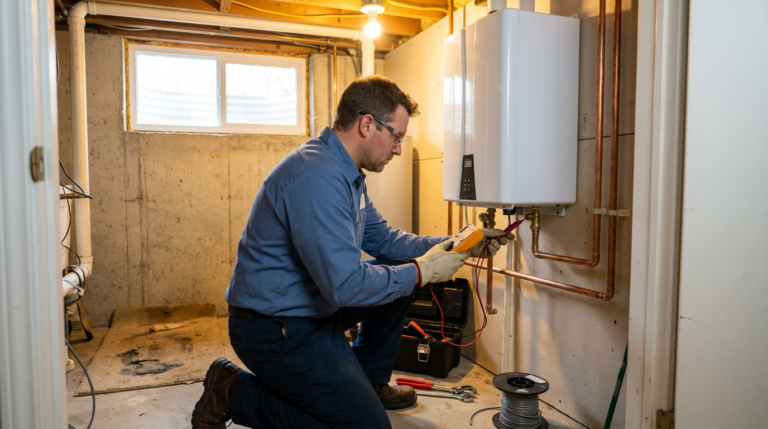
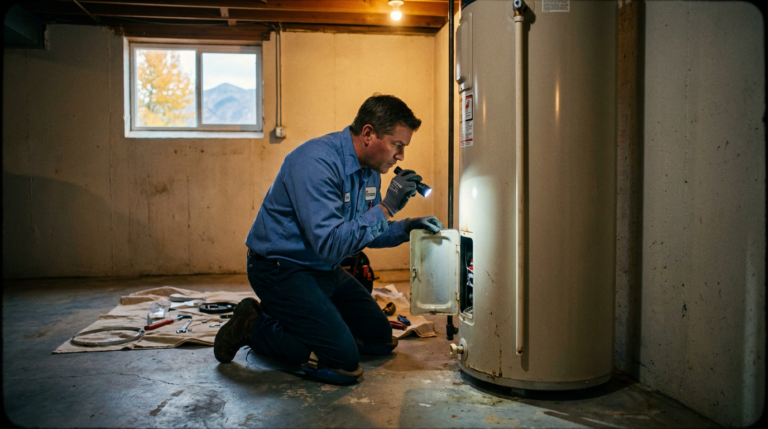
🔥 $199 Boiler Tune-Up ⚡️ $89 Water Heater Flush Promotion
The Hidden Cost of Winter Convenience
Ever stepped outside to shovel snow before work, only to slip on a patch of ice you missed? Or spent an hour clearing your driveway just for the snowplow to undo your progress? You’re not alone. Many homeowners are tired of the hassle, the back pain, and the risk that comes with winter upkeep.
That’s why heated driveways have become a hot topic. But the real question is: are heated driveways actually worth the investment?
Let’s break it down so you can decide if a snowmelt system is right for your home or business.
What We’ll Cover
- How Heated Driveways Work
- The Real Costs: Installation, Operation, and Maintenance
- Key Benefits You Actually Feel
- The Long-Term Value and ROI
- Signs You’re a Good Candidate
- Expert Insight: When Heated Driveways Make the Most Sense
- FAQ: Everything Homeowners Ask Before Installing
- Final Thoughts: Smart Comfort or Unnecessary Luxury?

How Heated Driveways Work
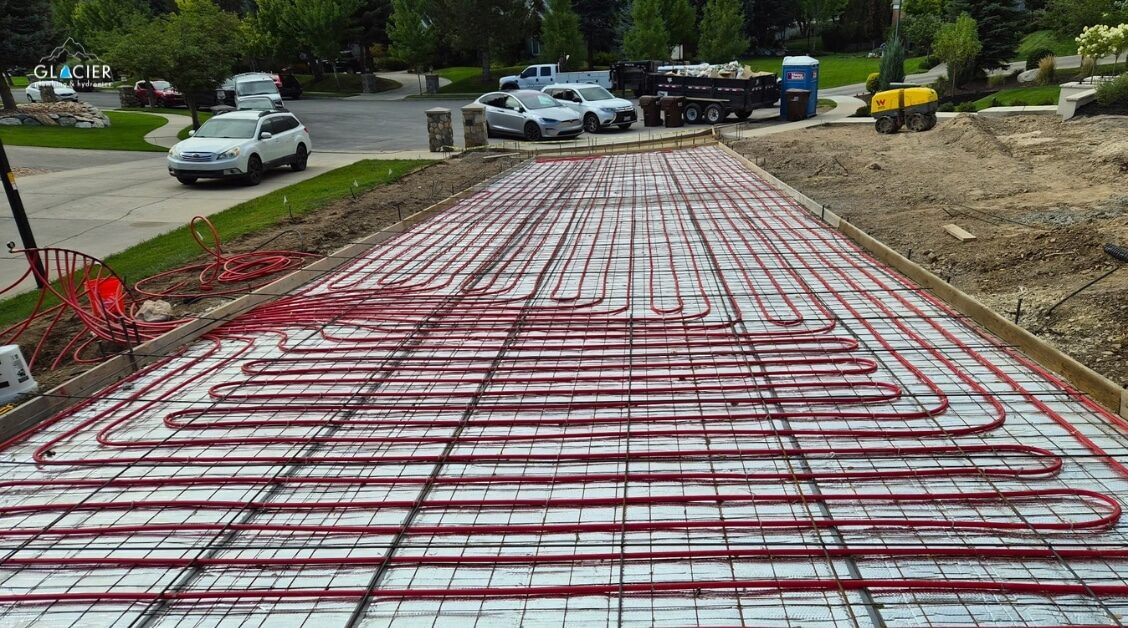
Heated driveways (also called snowmelt systems) use radiant heating technology to melt snow and ice automatically. The system is installed beneath your driveway surface and activated by sensors that detect snow, ice, or freezing temperatures.
There are two main types:
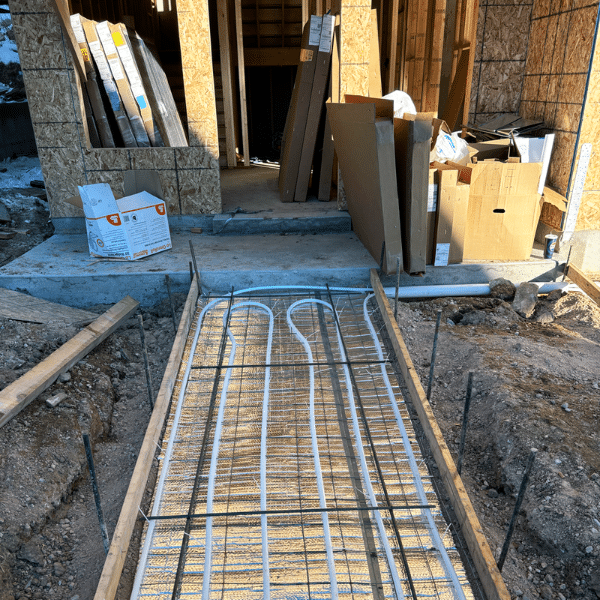
- Electric systems: Heating cables or mats are installed under the surface. When activated, they radiate heat upward to melt snow and ice.
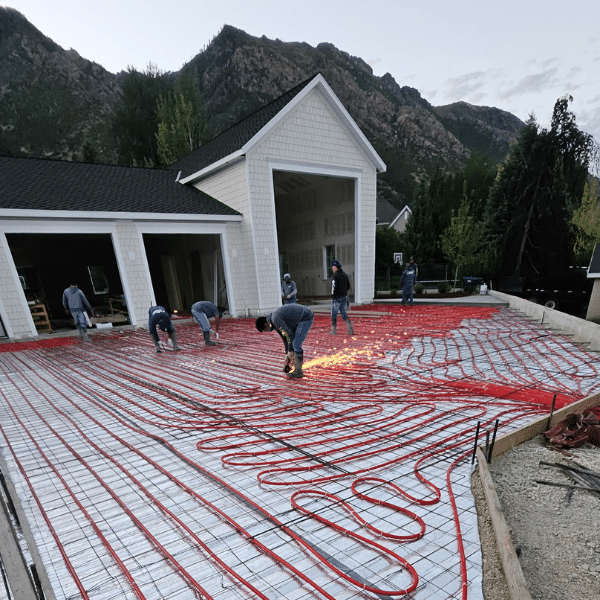
- Hydronic systems: A network of tubing circulates warm water heated by a boiler or water heater. The heat transfers through the driveway material, melting snow efficiently and evenly.
Hydronic systems are generally preferred for larger areas or commercial spaces because they’re more energy-efficient to operate over time. Electric systems are better for smaller driveways or partial installations like walkways or ramps.
The result? A clean, snow-free surface all winter without lifting a shovel.
The Real Costs: Installation, Operation, and Maintenance
Here’s the thing – the upfront cost is what stops many people from moving forward. However, once you understand what’s included, the investment becomes a lot more sensible.
Installation Costs
Installation costs vary depending on system type, driveway size, and material (concrete, asphalt, or pavers). On average:
- Electric systems: $10-$25 per square foot
- Hydronic systems: $12-$30 per square foot
If you’re already repaving or remodeling, adding a snowmelt system during construction can save money because the surface is being replaced anyway. Retrofitting an existing driveway is possible but adds labor costs.
Operating Costs
Operating costs depend on local energy rates, the size of the area, and how often the system runs.
Hydronic systems use a boiler (gas or propane) to heat water, which costs less per BTU than electric resistance systems. In snowy climates, the monthly operating cost typically ranges from $100 to $250 for a standard two-car driveway.
Smart controls help manage energy use. Many modern systems can sense ground temperature and moisture, activating only when needed.
Maintenance Costs
Like any mechanical system, snowmelt systems benefit from regular tune-ups. Annual maintenance ensures efficiency, prevents breakdowns, and extends lifespan.
For example, Glacier Plumbing & Hydronics offers:
- $199 boiler tune-ups
- $89 water heater flushes
These services keep your system running safely and efficiently – saving energy and avoiding costly repairs.
The Key Benefits You Actually Feel
The advantages of a heated driveway go far beyond “it melts snow.”
1. Safety Comes First
No ice. No slipping. No shoveling. Heated driveways eliminate winter’s biggest hazards – slips, falls, and accidents. For families, seniors, or anyone with mobility challenges, that peace of mind alone can be worth the investment.
2. Time Saved Every Morning
Imagine walking out to a clear, dry driveway after an overnight snowstorm. No more alarm clock shoveling. No waiting for plows or sprinkling salt before work. The system melts snow as it falls.
3. Protects Your Driveway Investment
Salt and shovels are rough on driveways. Constant freeze-thaw cycles cause cracks, pitting, and surface damage. By maintaining consistent temperatures, a heated driveway prevents damage and extends your surface’s lifespan.
4. Enhances Property Value
Luxury convenience features like heated driveways stand out in home listings. Buyers see them as a premium upgrade, similar to radiant floor heating. A snowmelt system can help your property sell faster and at a higher price.
The Long-Term Value and ROI
The question isn’t just “How much does it cost?” – it’s “What does it give me back over time?”
Here’s what most homeowners see:
- Durability ROI: Fewer cracks and repairs mean your driveway lasts longer.
- Time ROI: You’ll gain hours every week all winter long.
- Safety ROI: Lower risk of falls or vehicle accidents.
- Property ROI: A noticeable bump in home value and buyer appeal.
While the system doesn’t pay for itself in direct cash savings, the practical and emotional value – convenience, safety, comfort – more than makes up for it.
Signs You’re a Good Candidate for a Heated Driveway
A heated driveway isn’t right for everyone, but it’s a perfect fit for many homeowners. You’re an ideal candidate if:
- You live in an area with regular snow or freezing temperatures.
- Your driveway is steep or shaded (ice-prone).
- You’re planning to resurface or replace your driveway soon.
- You already use a boiler or radiant heat system in your home.
- You value long-term convenience and safety over short-term savings.
If several of these fit you, a hydronic snowmelt system is a smart, future-proof upgrade.
Expert Insight: When Heated Driveways Make the Most Sense
At Glacier Plumbing & Hydronics, we install, repair, and maintain both hydronic and radiant heating systems, including snowmelt systems for driveways, sidewalks, and entryways.
We often recommend heated driveways for homeowners who:
- Are you building a new home or repaving a driveway?
- Already have a hydronic boiler system in place.
- Want to heat a large surface efficiently and safely.
Hydronic snowmelt systems are designed to integrate seamlessly with existing boiler setups, providing efficient, even heating without strain on your home’s energy system.
Our installations are designed for durability, low maintenance, and efficiency – because comfort should never come with complication.
Ready for Winter Ease Without the Shovel?
If you’re tired of the ice, the early mornings, and the risk, it might be time to install a heated driveway.
At Glacier Plumbing & Hydronics, we provide professional installation, repair, and service for snowmelt systems, including hydronic boilers, radiant heating, and driveway heating systems, for both residential and commercial properties.
You can start simple with an evaluation or system tune-up:
- $199 boiler tune-up
- $89 water heater flush
Or go all in with a free, no-pressure estimate to design your snowmelt system.
Ready to take the next step? Get a Free Estimate.
Frequently Asked Questions
The Bottom Line: Is a Heated Driveway Worth It?
If you value safety, convenience, and long-term property protection, a heated driveway is absolutely worth the investment.
The initial cost is higher, but the payoff is year-round comfort and the peace of mind that comes with never shoveling snow again. You’ll save time, protect your driveway, and add meaningful value to your home.
At Glacier Plumbing & Hydronics, we specialize in snowmelt and radiant heating systems that make winter maintenance effortless. Whether you’re planning a remodel or just tired of icy mornings, we’ll help you design a system that fits your home and budget.
Ready to melt the stress of winter away? Request a Free Bid Today.
Related Reads:
- Understanding Radiant Floor Heating: How It Works and Why It’s Efficient
- Boiler Tune-Ups: The Simple Maintenance Step That Saves Thousands
- Tankless vs. Traditional Water Heaters: What’s Right for Your Home?
We are a locally owned and operated plumbing and boiler service company, dedicated to providing honest service at a fair price. We are licensed, insured, and always maintain current training and expertise in plumbing and radiant heating. To insure all of your homes needs are met. Servicing residential and commercial properties.
Latest posts by Glacier Plumbing & Hydronics (see all)
- Best Tankless Water Heater Repair Options: Reviews & Recommendations - September 1, 2026
- Water Heater Repair FAQ: Common Questions Answered - September 1, 2026
- The Ultimate Guide to Water Heater Installation: What You Need to Know - June 23, 2026