🔥 $199 Boiler Tune-Up • ⚡️ $89 Water Heater Flush
Why Settle for Dry, Uneven Heat This Winter?
If you’ve lived through a Utah winter, you know the feeling. Your furnace kicks on, blasts hot air for a few minutes, then shuts off—leaving cold spots, dry air, and that constant background noise.
Here’s the thing: it doesn’t have to be that way.
Hydronic heating offers a completely different experience. Instead of blowing hot air through vents, it uses heated water to warm your home from the ground up. The result is steady, quiet, and comfortable heat that actually feels natural.
At Glacier Plumbing & Hydronics, we help homeowners across the Wasatch Front upgrade to systems that deliver real comfort—not just hot air. In this guide, we’ll break down exactly how hydronic heating works, why it’s more efficient, and whether it’s the right fit for your home.
What We’ll Cover:
- Understanding How Hydronic Heating Works
- Hydronic Heating vs Forced Air: What’s Better for Utah Homes?
- Exceptional Comfort and Consistent Warmth
- Superior Energy Efficiency and Lower Utility Bills
- Healthier Indoor Air Quality
Understanding How Hydronic Heating Works
Hydronic heating is simple in concept but powerful in performance.
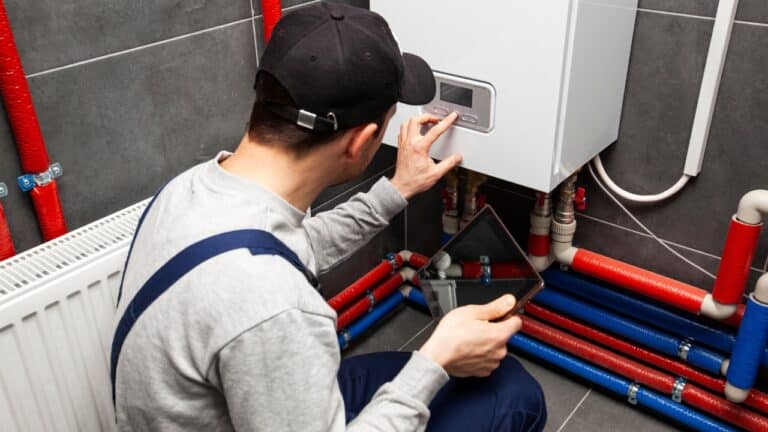
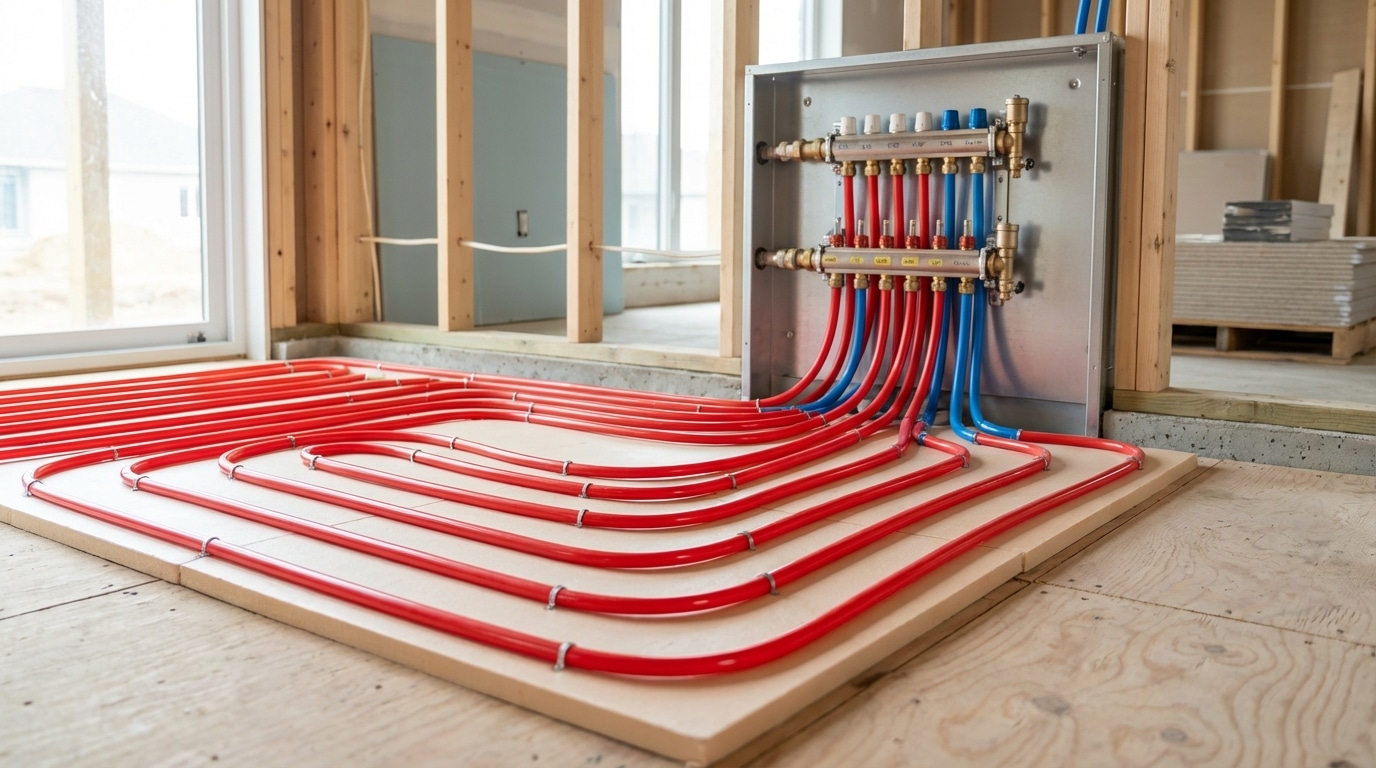
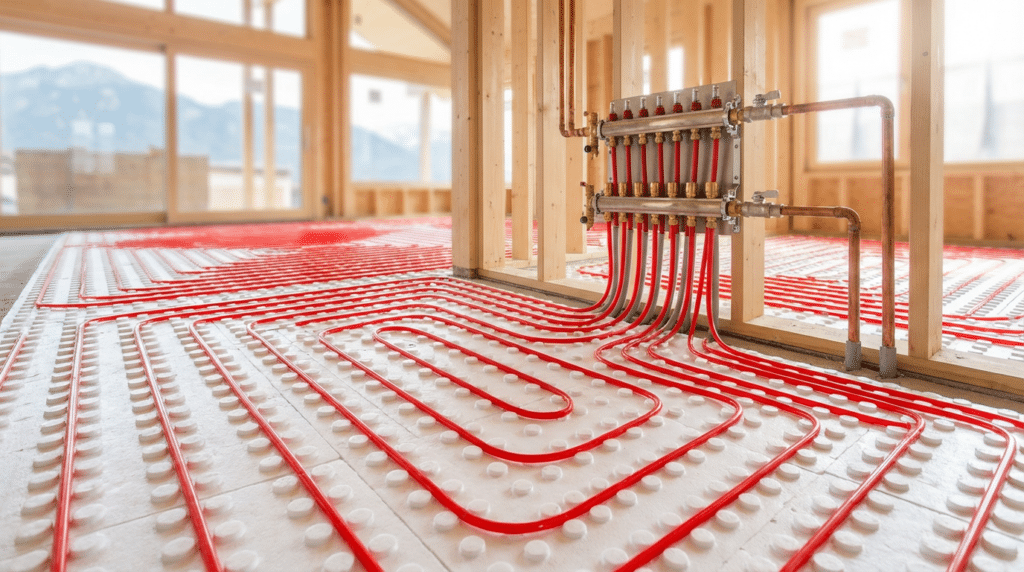
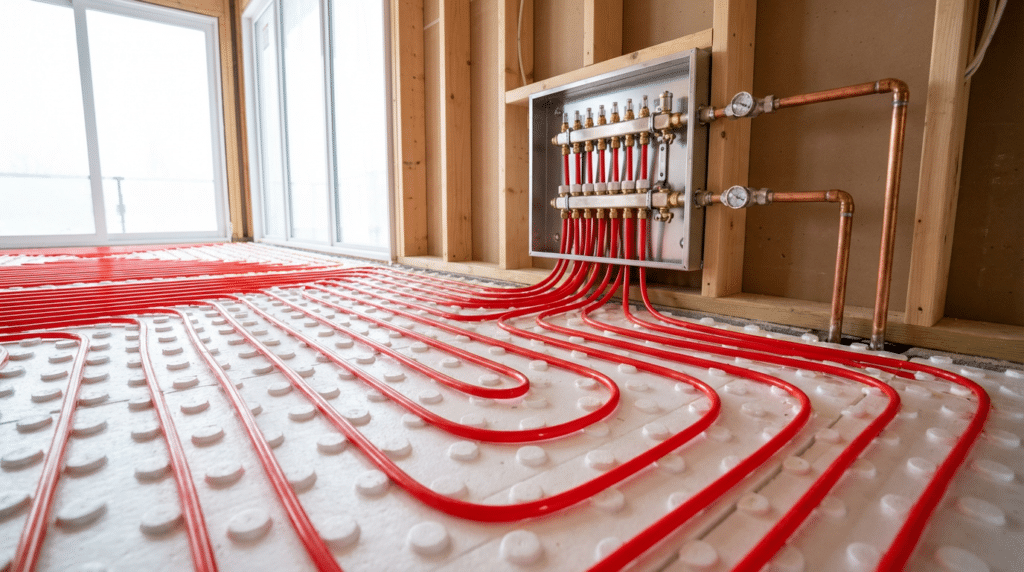
A boiler heats water, which is then circulated through a network of durable PEX tubing installed under floors, in baseboards, or within walls. That heat transfers directly into your living space, warming surfaces and people instead of just the air.
How Radiant Heat Feels Different
Radiant heat works more like sunlight than a traditional furnace. Instead of blowing warm air around, it gently heats objects and surfaces—floors, furniture, and you.
That means:
- No cold drafts
- No hot and cold swings
- No heat trapped at the ceiling
Just consistent warmth exactly where you need it.
Key Components of a Hydronic System
Every system includes a few core parts working together:
- Boiler or Water Heater: Heats the water efficiently (modern systems can exceed 95% efficiency)
- Manifold: Distributes water to different zones in your home
- PEX Tubing: Flexible, durable piping designed to last decades
- Circulator Pump: Moves water through the system using minimal energy
These components are built for long-term reliability and performance.
Hydronic Heating vs Forced Air: What’s Better for Utah Homes?
If you’re comparing systems, this is where hydronic heating really stands out.
Forced Air Systems:
- Blow heated air through ducts
- Create uneven temperatures and drafts
- Circulate dust and allergens
- Lose heat through ductwork
Hydronic Systems:
- Deliver even, radiant heat
- Operate silently
- Don’t move dust or allergens
- Use energy more efficiently
For Utah’s cold, dry climate, hydronic heating solves the exact problems homeowners deal with every winter—dry air, inconsistent temperatures, and rising energy bills.
Exceptional Comfort and Consistent Warmth
This is the biggest reason homeowners switch.
With radiant heating, warmth starts at the floor and rises evenly throughout the room. You don’t get cold corners or overheated ceilings—just a balanced, comfortable environment.
At Glacier Plumbing & Hydronics, we see this especially in basements and homes with tile or hardwood floors. Spaces that used to feel cold suddenly become the most comfortable areas in the house.
Quiet, Draft-Free Living
No blowers. No vents. No constant cycling.
Hydronic systems run quietly in the background, giving you a peaceful home without the hum of a furnace or air rushing through ducts.
Superior Energy Efficiency and Lower Utility Bills
Water is far better at carrying heat than air. That’s the core advantage.
Because of this:
- Systems use less energy to move heat
- There’s no duct heat loss (which can waste up to 30%)
- You can heat specific zones instead of the whole home
The result is real savings.
Many Utah homeowners see 20–40% lower heating costs after switching to a properly designed hydronic system.
We regularly design systems that maximize efficiency while keeping operating costs predictable through long winters.
Healthier Indoor Air Quality
If anyone in your home deals with allergies or dry air, this is a major benefit.
Forced-air systems constantly move dust, pollen, and debris through your home. Hydronic systems don’t move air at all.
Less Dust and Fewer Allergens
With no air circulation:
- Dust stays settled
- Allergens aren’t constantly recirculated
- Indoor air stays cleaner
Better Humidity in Utah’s Dry Climate
Utah air is already dry—and furnaces make it worse.
Hydronic heat doesn’t strip moisture from the air, helping your home feel more comfortable without relying as heavily on humidifiers.
Long-Term Reliability and Durability
Hydronic systems are built to last.
- Boilers: 20–30+ years
- PEX tubing: Designed to last the life of the home
Compared to traditional furnaces, that’s a significant upgrade in lifespan.
Low Maintenance Requirements
Maintenance is straightforward:
- Annual boiler inspection
- System check for efficiency and safety
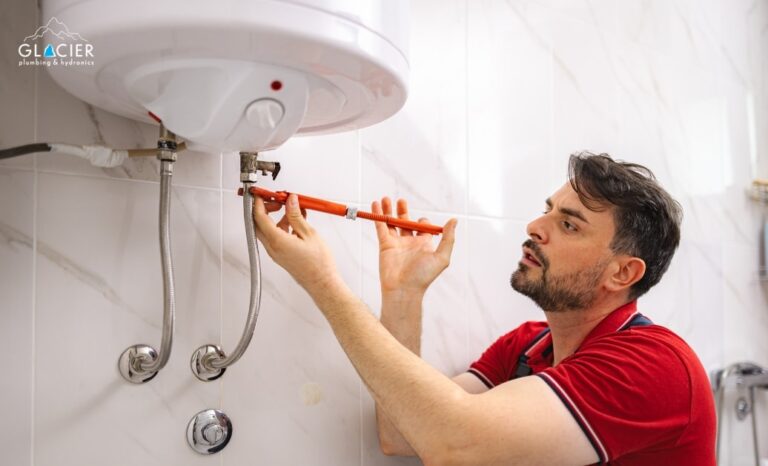
At Glacier Plumbing & Hydronics, we offer a $199 Boiler Tune-Up to keep your system running safely and efficiently year after year.
More Control, Better Design Flexibility
Hydronic heating gives you options that forced-air systems can’t.
Zoned Comfort
You can control temperatures room by room:
- Keep bedrooms cooler
- Warm up living areas
- Reduce energy use in unused spaces
Cleaner Home Design
No ductwork means:
- More open layouts
- Higher ceilings
- Flexible architectural design
This is a big advantage in custom homes and remodels across Utah.
Added Home Value
Radiant heating is considered a premium upgrade.
Homebuyers recognize:
- Energy efficiency
- Comfort benefits
- Long-term reliability
For homeowners and builders, it’s a feature that sets a property apart in competitive markets like Salt Lake and Park City.
Is Hydronic Heating Worth the Investment?
For many homeowners, yes.
While installation costs are higher upfront, the long-term benefits—lower energy bills, fewer repairs, and better comfort—make it a smart investment.
At Glacier Plumbing & Hydronics, we help homeowners evaluate whether hydronic heating makes sense based on their home, budget, and long-term plans.
Are There Any Downsides?
There are a couple to consider:
- Higher upfront installation cost
- More involved installation in existing homes
- Slower temperature response compared to forced air
That said, most homeowners find the consistent comfort and efficiency far outweigh these factors.
Is Hydronic Heating Right for Your Utah Home?
Hydronic systems are a great fit if you:
- Are building a new home
- Are planning a major remodel
- Want better comfort and efficiency
- Are tired of dry, uneven furnace heat
Our team at Glacier Plumbing & Hydronics designs systems specifically for Utah homes, taking into account layout, climate, and energy goals.
Talk to a Local Hydronics Expert
If you’re ready to upgrade your home’s comfort, we’re here to help.
At Glacier Plumbing & Hydronics, we specialize in hydronic heating systems—from design and installation to maintenance and upgrades. Our licensed, local team delivers reliable work backed by a 100% satisfaction guarantee.
Whether you’re exploring radiant floor heating or need help with an existing boiler system, we’ll give you clear answers and honest recommendations.
Call today or request a free estimate to see if hydronic heating is the right fit for your home.
Related Reads:
- Are Heated Driveways Worth the Money?
- Hot Water Out? Get It Replaced Today — Fast, Clean & Done Right.
We are a locally owned and operated plumbing and boiler service company, dedicated to providing honest service at a fair price. We are licensed, insured, and always maintain current training and expertise in plumbing and radiant heating. To insure all of your homes needs are met. Servicing residential and commercial properties.
Latest posts by Glacier Plumbing & Hydronics (see all)
- Benefits of Hydronic Heating Systems for Utah Homes - March 26, 2026
- Choosing the Right Water Heater for Your Utah Home: Tank vs. Tankless - February 6, 2026
- Who Do I Call When My Water Heater Is Not Working? - December 8, 2025