🔥 $199 Boiler Tune-Up ⚡️ $89 Water Heater Flush Promotion
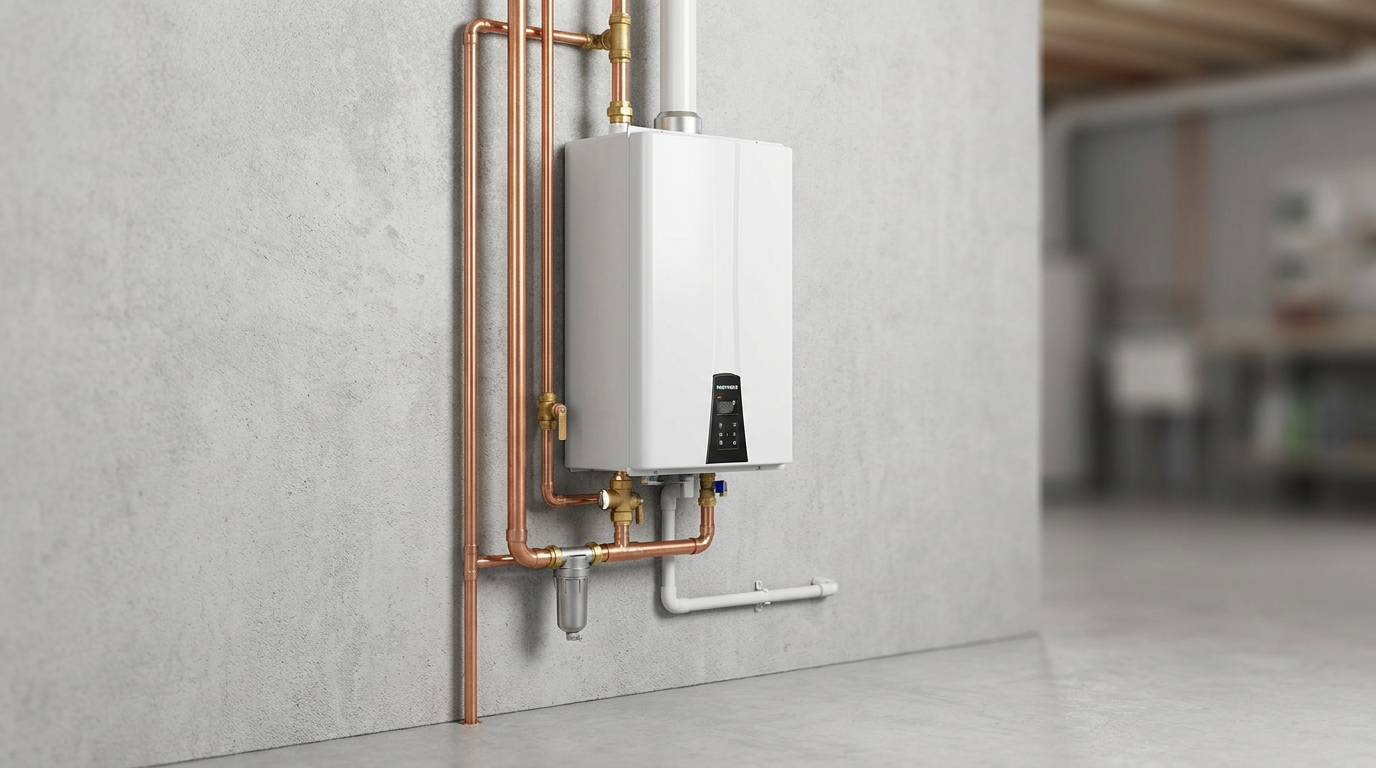
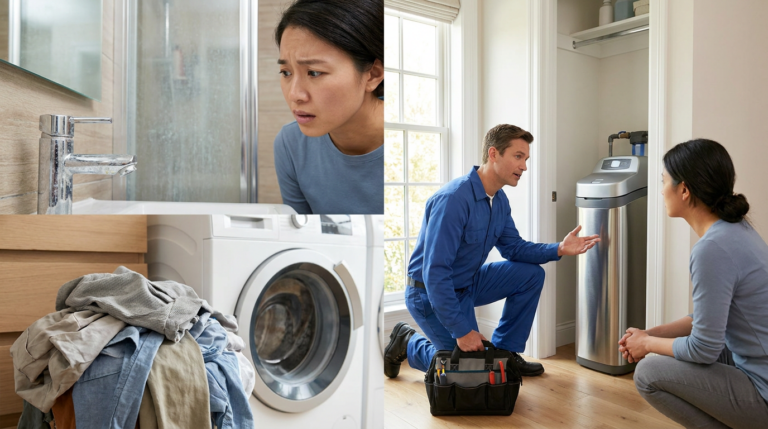
Unexpected cold showers are more than an inconvenience; they signal a critical issue with your home’s water heating system. Ignoring these signs leads to escalating repair costs, energy waste, and prolonged discomfort. A proactive approach to water heater installation ensures reliable hot water and improved energy efficiency.
Understanding your options and the installation process yourself means you can make informed decisions before you get stuck under a sudden spray of frigid water. We provide clarity on selecting the right system and ensuring a smooth installation, guaranteeing consistent hot water when you need it most.
Quick Answer
Installing a new water heater requires assessing your home’s hot water needs, choosing between tank, tankless, or heat pump models, and understanding energy efficiency ratings. Professional installation ensures safety, compliance with local codes, and ideal performance.
Table of Contents
- Understanding Your Home’s Current Heating Challenges
- High-Efficiency Boiler Systems: A Foundation for Consistent Home Heating
- The Benefits of Upgrading to a High-Efficiency Boiler
- Considering Boiler Installation: What You Need to Know
- Maintaining Your High-Efficiency Boiler for Long-Term Consistent Home Heating
- Check Your Heating System’s Age
- What Is a Whole-House Heat Pump?
- Understanding Cost-Effective Heating
- Frequently Asked Questions About Consistent Home Heating and Boilers
Understanding Your Home’s Current Heating Challenges
Uneven heating and cold spots occur when your current system struggles to distribute heat effectively throughout your home. This problem often stems from outdated equipment, improper sizing, or poor insulation, leaving certain areas perpetually chilly.
Ignoring these heating challenges directly impacts your comfort and utility bills. When some rooms feel cold, others often become too warm as you try to compensate, leading to wasted energy and higher costs. Addressing the root cause improves home comfort and significantly reduces energy consumption.
Common Causes of Uneven Heating and Cold Spots
Uneven heating and cold spots are often caused by issues like aging water heaters, inadequate insulation, or insufficient system capacity. These problems create inconsistent temperatures throughout your living space, making your home feel less comfortable.
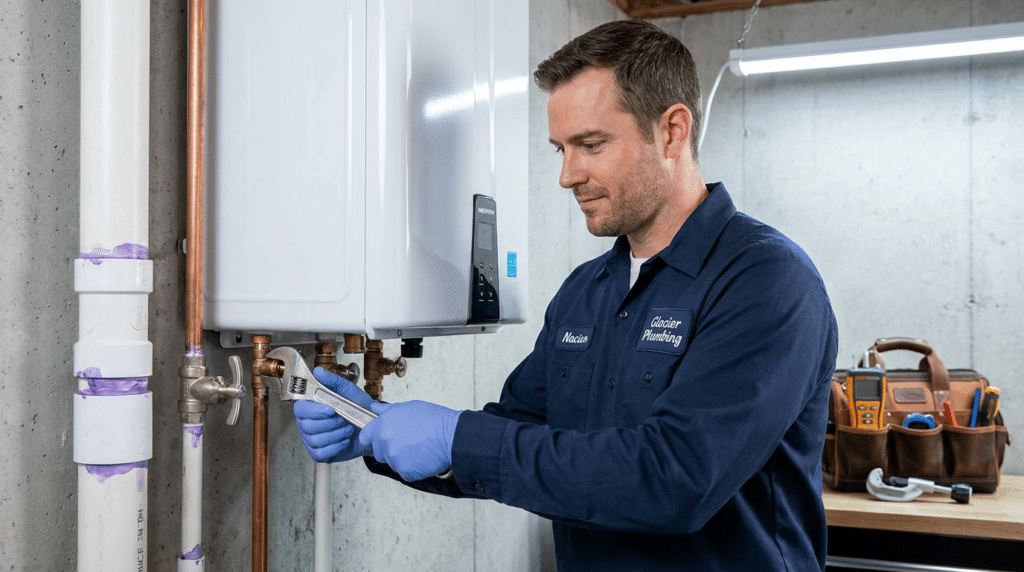
- Aging Equipment: Older water heaters lose efficiency, struggling to produce enough hot water for demand. This leads to cold spots as the system can’t keep up.
- Improper Sizing: A water heater that’s too small for your household can’t adequately supply hot water to all fixtures simultaneously. Too large, and it wastes energy.
- Sediment Buildup: Over time, sediment accumulates inside tank-style water heaters, reducing efficiency and heating capacity. This directly translates to less hot water.
- Thermostat Malfunctions: A faulty thermostat might incorrectly sense temperatures, causing the water heater to short-cycle or run continuously, neither of which provides consistent hot water.
- Poor Insulation: Insufficient insulation allows heat to escape from pipes, resulting in cooler water by the time it reaches distant faucets or showers.
Our pipe inspection camera services can identify hidden issues, such as leaks or blockages, that contribute to poor hot water distribution. Knowing the exact problem avoids unnecessary repairs or replacements.
The Impact of Inefficient Heating on Comfort and Costs
Inefficient water heating systems directly lead to higher utility bills and a less comfortable home environment. They consume excessive energy to deliver hot water, resulting in wasted money and a diminished quality of life for your family.
This inefficiency means your system constantly works harder, leading to premature wear and tear. Your older water heater may work overtime just to maintain a consistent temperature, leading to more frequent repairs and a shorter lifespan.
Pro Tip: Even minor drips from a leaky faucet can waste hundreds of gallons of hot water annually, directly impacting your heating costs. Address leak repair promptly.
High-Efficiency Boiler Systems: A Foundation for Consistent Home Heating
High-efficiency boiler systems provide consistent, radiant heat by circulating hot water through pipes, offering superior comfort compared to forced-air systems. This method creates a more even temperature distribution throughout your home, eliminating drafts and cold spots.
Boilers are a foundation for consistent home heating because they use hydronic heating, a highly efficient method of heat transfer. This results in stable indoor temperatures and significant energy savings over time. For more information, explore our Boilers projects.
What Makes a Boiler System Efficient?
A boiler system achieves high efficiency primarily through condensing technology, which captures heat from exhaust gases that traditional boilers waste. This process allows them to extract more energy from less fuel.

Modern boilers also incorporate advanced controls and modulating burners. These components precisely match heat output to demand, preventing energy loss from unnecessary on/off cycling. This precise control ensures best performance and lower energy consumption.
- Condensing Technology: Recovers latent heat from exhaust, converting it into usable energy.
- Modulating Burners: Adjusts fuel input to precisely match heating demand, avoiding wasteful full-power operation.
- Electronic Ignition: Eliminates the need for a standing pilot light, saving gas.
- Zoning Capabilities: Allows heating individual areas, preventing heating unused rooms.
- Sealed Combustion: Draws combustion air from outside, improving safety and heating efficiency.
How Boilers Deliver Unmatched Consistent Heating
Boilers deliver unmatched, consistent heating by radiating warmth through hydronic elements such as baseboards or radiant floor systems. This creates an even, gentle heat that permeates objects and surfaces, unlike forced air that primarily heats the air itself.
The thermal mass of water helps retain heat longer than air, leading to fewer temperature fluctuations and a more stable indoor climate. This radiant heat also reduces air currents, minimizing dust circulation and maintaining cleaner indoor air quality.
Pro Tip: While boilers provide excellent space heating, a separate water heater manages domestic hot water for showers and faucets. Consider parallel upgrades for total home efficiency.
The Benefits of Upgrading to a High-Efficiency Boiler
Upgrading to a high-efficiency boiler provides enhanced comfort, significant energy savings, and improved indoor air quality. These systems offer superior performance over older models, delivering a better living environment and long-term financial benefits.
Most homeowners upgrading from an older, standard-efficiency unit see a noticeable difference in heating consistency and lower monthly utility costs. This makes the investment worthwhile for both immediate comfort and future savings.
Improved Comfort and Consistent Home Heating Throughout Your Space
A new high-efficiency boiler eliminates temperature fluctuations, ensuring uniform warmth throughout your home. Radiant heat spreads evenly, preventing the cold spots often found with forced-air systems.
This consistent heat distribution contributes to overall household comfort, creating a cozy and inviting atmosphere. You also experience fewer drafts and dry air, improving the quality of your indoor environment.
Significant Energy Savings and Lower Utility Bills
Upgrading to a high-efficiency boiler can reduce your annual heating costs by 20-40% compared to older, less efficient models. Modern boilers maximize fuel usage, ensuring more of your energy dollar translates directly into heat.
These savings compound over the unit’s lifespan, often offsetting the initial investment within a few years. Factor in active promotions, such as our $199 Boiler Tune-Up, to maintain peak efficiency.
Improved Indoor Air Quality and Quiet Operation
High-efficiency boilers often improve indoor air quality because they do not rely on forced air, which can circulate dust, allergens, and other particulates. This hydronic heating method keeps the air cleaner and more comfortable.
Modern boilers operate significantly quieter than older models or forced-air furnaces. Their sealed combustion and advanced components reduce operational noise, contributing to a more peaceful home environment.
Considering Boiler Installation: What You Need to Know
Boiler installation requires careful consideration of your home’s size, your household’s hot water demand, and energy efficiency goals. Choosing the right system ensures ideal performance, consistent home heating, and long-term savings.
Understanding the installation process, costs, and potential incentives helps you make an informed decision. Glacier Plumbing and Hydronics provides expertise, ensuring a smooth transition to your new, efficient heating system.
Choosing the Right Boiler System for Your Home
Selecting the ideal boiler system for your home depends on factors like square footage, insulation levels, and your family’s hot water usage patterns. The right choice balances initial cost with long-term energy savings and comfort needs.
You’ll consider boiler types like condensing boilers for maximum efficiency, or combi-boilers for integrated home heating and hot water. Our licensed experts can assess your specific needs and recommend the perfect fit. For general insights on water heaters, you can also consider our guide to Tank vs. Tankless Water Heaters in Utah.
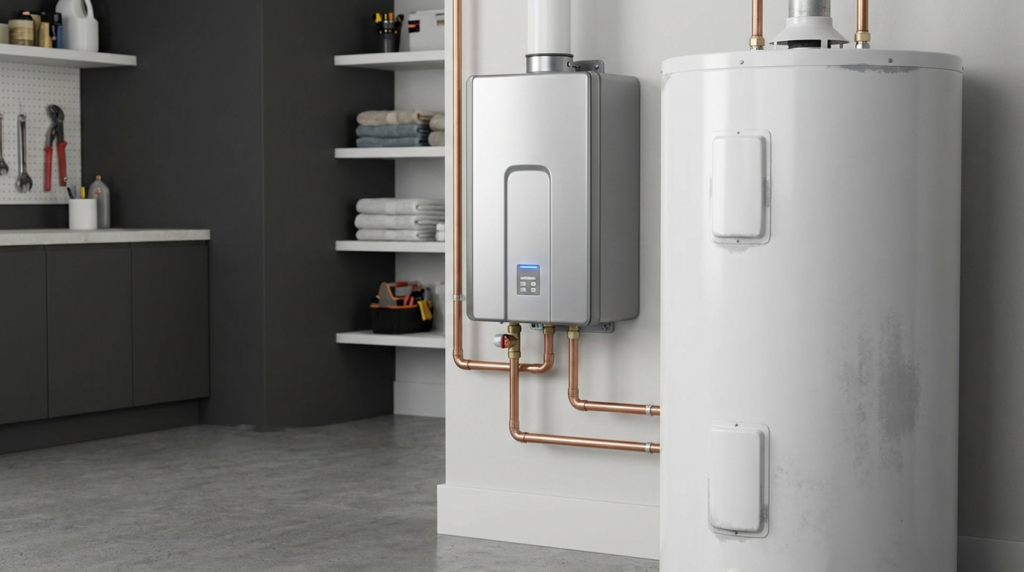
- System Sizing: Correctly sized systems prevent energy waste from oversizing and insufficient heat from undersizing. We calculate your home’s heat load for precise sizing.
- Energy Efficiency Rating (AFUE): Look for boilers with high Annual Fuel Utilization Efficiency (AFUE) ratings, indicating greater energy conversion to heat.
- Fuel Type: Boilers can run on natural gas, propane, oil, or electricity. Your choice depends on availability and cost in your area.
- Brand Reliability: Brands like Navien, NAPHCC, and American Standard offer proven performance and strong warranties, ensuring peace of mind.
- Features: Consider features such as outdoor reset controls to adjust heat based on external temperatures, or zoning capabilities for room-specific heating.
The Boiler Installation Process Explained
The boiler installation process typically begins with a detailed assessment of your home and removal of the old unit. Next, our licensed experts prepare the site, install the new boiler and necessary piping, and ensure all connections are secure and leak-free.
Finally, we rigorously test the system for ideal performance and compliance with local building codes. We pride ourselves on a no-mess, stress-free service, leaving your home as clean as we found it.
Our water heater went out on a weekend and Ethan came out to replace it, he waived all after hour fees to get us taken care of and back to hot water. We’re extremely grateful for Glacier and their service.
Mylee Warburton
Understanding Costs and Potential Incentives
The cost of a new boiler installation varies widely, typically ranging from $5,000 to $10,000, depending on the boiler type, capacity, and installation complexity. This investment provides long-term energy savings and improved home comfort.
Many homeowners can find federal tax credits, state rebates, or local utility incentives for upgrading to high-efficiency models. We help you navigate these options to maximize your savings. Don’t forget our current $199 Boiler Tune-Up offer, which helps maintain efficiency post-installation.
Maintaining Your High-Efficiency Boiler for Long-Term Consistent Home Heating
Regular maintenance is essential for ensuring your high-efficiency boiler provides long-term, consistent home heating. Proper care prevents breakdowns, extends the system’s lifespan, and maintains ideal energy efficiency.
Skipping routine maintenance can lead to unexpected failures, costly repairs, and reduced performance. A proactive approach saves money and prevents the inconvenience of a sudden heating outage.
Essential Maintenance Tips for Top Performance
Essential maintenance tips for optimal boiler performance include checking pressure gauges, bleeding radiators, and keeping the area around the unit clear. These small steps prevent common issues and keep your system running smoothly.
Performing these checks regularly helps maintain your boiler’s efficiency, ensuring consistent home heating. For deeper maintenance, consider a professional tune-up, which covers system checks that homeowners can’t perform safely.
- Check Pressure Gauge: Maintain pressure within the manufacturer’s recommended range, usually 12-15 psi.
- Bleed Radiators: Release trapped air from radiators annually to ensure even heat distribution.
- Clear Surrounding Area: Ensure no obstructions block the boiler’s vents or airflow for safe and efficient operation.
- Inspect for Leaks: Regularly check pipes and connections for signs of leaks and address them immediately to prevent damage.
When to Schedule Professional Boiler Servicing
Schedule professional boiler servicing at least once a year, ideally before the cold season begins. An annual tune-up ensures all components are functioning correctly, preventing breakdowns and maintaining efficiency.
Professional servicing includes a thorough cleaning, inspection of all electrical and mechanical parts, and calibration of controls. This proactive step catches small issues before they become expensive repairs, giving you peace of mind throughout the heating season.
Pro Tip: Many extended warranties require annual professional maintenance. Verify your warranty terms to ensure compliance and to leverage available offers, such as our $199 Boiler Tune-Up.
Check Your Heating System’s Age
The age of your heating system directly impacts its efficiency and safety. Most traditional water heaters last 10-15 years, while boilers can last 15-20 years or more with proper maintenance.
If your system is nearing or past these age limits, it’s likely operating inefficiently, leading to higher utility bills and an increased risk of sudden failure. An older system is also more likely to require frequent water heater replacements or extensive repairs.
Pro Tip: Even if your system seems to be running, an older unit can be a silent energy hog. A comparison with a new system’s AFUE rating often reveals surprising potential savings.
What Is a Whole-House Heat Pump?
A whole-house heat pump is an electrical system that moves heat rather than generating it, providing both heating and cooling for your entire home. It extracts heat from the air, ground, or water during the colder months and reverses the process during the warmer months.
Heat pumps offer a highly energy-efficient alternative to traditional furnaces and air conditioners, especially in moderate climates. They reduce reliance on fossil fuels, leading to lower energy bills and a smaller carbon footprint.
- Air-Source Heat Pumps: Most common, they transfer heat between your home and the outside air.
- Geothermal Heat Pumps: Utilize stable underground temperatures for highly efficient heat transfer, regardless of outdoor air.
- Water-Source Heat Pumps: Use a nearby water source (e.g., a well or pond) for heat exchange.
- Ductless Mini-Splits: Provide heating and cooling for individual rooms or zones without extensive ductwork.
- High Efficiency: Can provide up to three times more heat energy than the electrical energy they consume.
Understanding Cost-Effective Heating
Cost-effective heating means evaluating both the initial investment in a heating system and its long-term operational expenses, primarily energy consumption and maintenance. A lower purchase price doesn’t guarantee overall savings if the system is inefficient.
Factors like your local climate, fuel availability, and government incentives also influence cost-effectiveness. Investing in a higher-efficiency system typically yields significant long-term savings through reduced utility bills.
- Initial Cost vs. Lifetime Cost: A cheaper system might end up costing more over its lifespan due to high energy use and frequent repairs.
- AFUE and HSPF Ratings: These ratings indicate efficiency. Higher numbers mean more cost-effective heating.
- Fuel Prices: Consider current and projected prices of natural gas, electricity, and propane in your region.
- Maintenance Needs: Systems that require less frequent or more complex maintenance generally incur lower long-term costs.
- Warranties and Lifespan: Longer warranties and expected lifespans contribute to a better return on investment.
Frequently Asked Questions About Consistent Home Heating and Boilers
The Bottom Line
Ensuring consistent home heating involves understanding your system’s efficiency, knowing when to repair or replace, and investing in modern, high-performance technology. High-efficiency boilers offer unmatched comfort and significant savings, especially when paired with proper maintenance. Don’t let an aging system dictate your comfort or your budget.
Ready to Ensure Reliable Hot Water?
Don’t wait for your current system to fail. Our expert team specializes in high-efficiency water heater installation and hydronic heating solutions tailored to your home’s specific needs. Experience the difference that professional sizing and installation can make.
Contact Glacier Plumbing & Hydronics today to schedule your consultation and secure the efficient heating solutions your home deserves.
We are a locally owned and operated plumbing and boiler service company, dedicated to providing honest service at a fair price. We are licensed, insured, and always maintain current training and expertise in plumbing and radiant heating. To insure all of your homes needs are met. Servicing residential and commercial properties.
Latest posts by Glacier Plumbing & Hydronics (see all)
- Best Tankless Water Heater Repair Options: Reviews & Recommendations - September 1, 2026
- Water Heater Repair FAQ: Common Questions Answered - September 1, 2026
- The Ultimate Guide to Water Heater Installation: What You Need to Know - June 23, 2026