🔥 $199 Boiler Tune-Up ⚡️ $89 Water Heater Flush Promotion
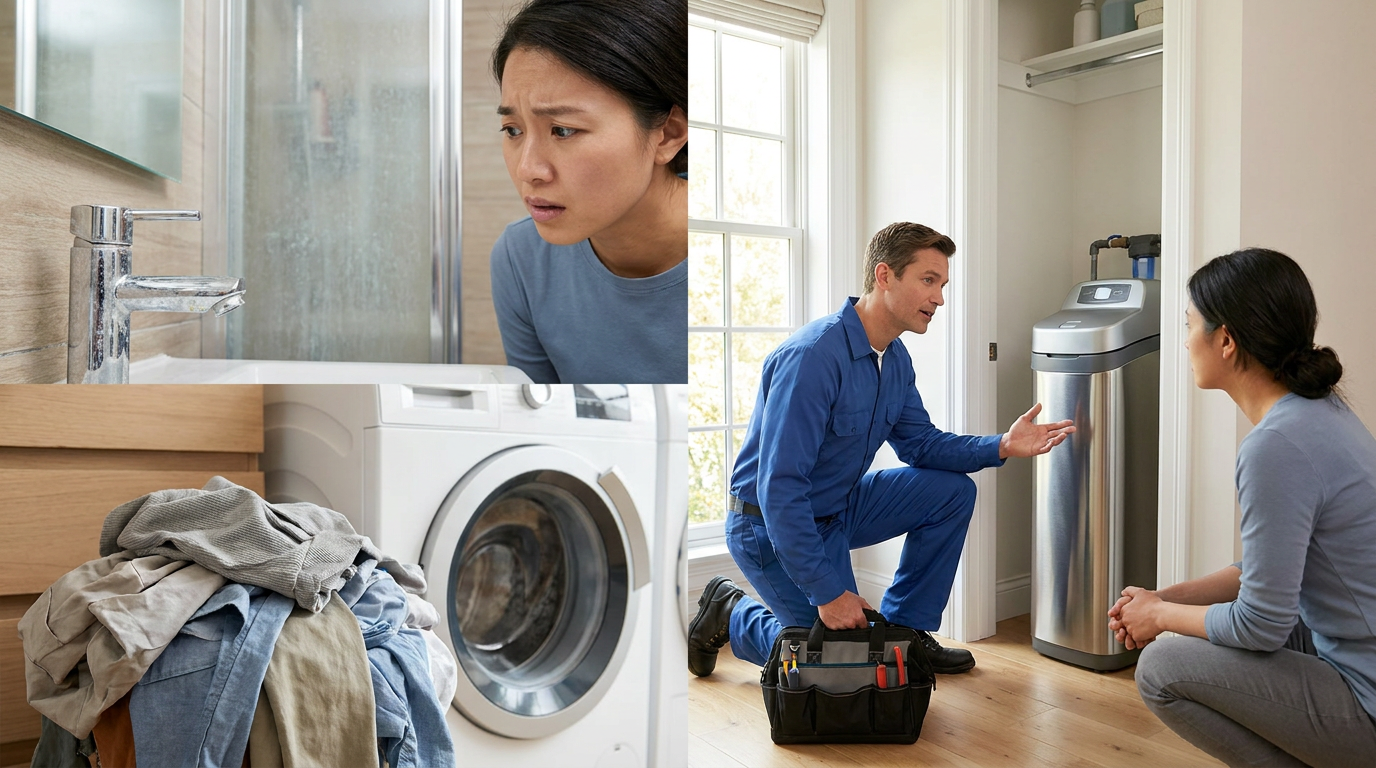
Hard water isn’t just an inconvenience; it actively damages your plumbing, shortens appliance lifespans, and impacts your daily comfort. Ignoring it leads to costly repairs and inefficiency throughout your home. We’ll explain how an effective water softener system provides a lasting solution to these hidden problems.
Quick Answer
Hard water contains high levels of dissolved minerals like calcium and magnesium, which cause scale buildup in pipes and appliances. This scale reduces efficiency, increases energy bills, and leads to premature equipment failure. Water softeners remove these minerals through ion exchange, protecting your home’s systems and improving water quality for everyday use.
Table of Contents
- The Unseen Threat: What is Hard Water?
- How Hard Water Silently Damages Your Home
- Introducing the Solution: How Water Softeners Work
- Reaping the Rewards: Benefits of a Water Softener
- Common Concerns About Water Softeners (PAA Integration)
- Is a Water Softener Right For Your Home?
- Frequently Asked Questions
The Unseen Threat: What’s Hard Water?
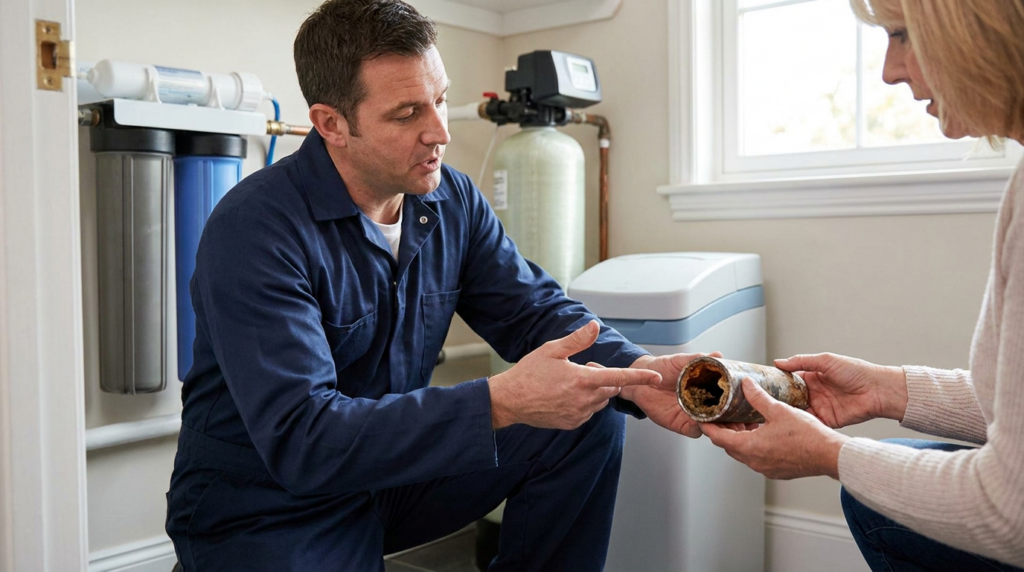
Hard water is water that contains a high concentration of dissolved minerals, primarily calcium and magnesium. Utah, particularly areas like Salt Lake City and surrounding counties, is known for its naturally hard water due to the region’s geological composition. These naturally occurring minerals are picked up as water flows through rock and soil.
Minerals Making a Mess: Understanding Hardness
Water hardness is a measurement of the dissolved mineral content in water, typically expressed in grains per gallon (GPG) or milligrams per liter (mg/L). A higher GPG indicates greater mineral content, leading to persistent issues such as scale buildup and inefficient appliance operation. Water with a hardness over 7 GPG is considered hard.
Pro Tip: Even moderately hard water at 3-7 GPG still creates mineral buildup over time. Proactive softening prevents long-term damage.
How Hard Water Silently Damages Your Home
Hard water silently causes significant damage behind walls and inside appliances, leading to reduced efficiency and premature failure. The mineral deposits, often invisible until problems arise, restrict water flow and corrode sensitive components. This continuous wear shortens the lifespan of critical household systems.
The Costly Impact on Your Plumbing System
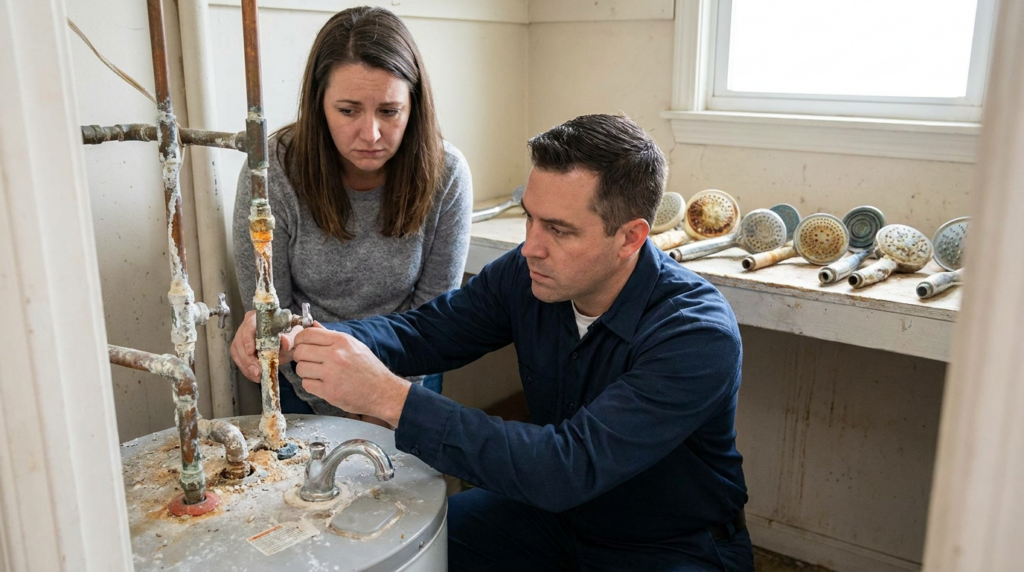
Mineral buildup from hard water constricts pipes, reducing water pressure and forcing your plumbing system to work harder. This “scaling” clogs showerheads, faucet aerators, and even main water lines, leading to potential leaks and costly pipe replacements. Over time, these mineral deposits can contribute to premature failure of plumbing components and necessitate extensive water main replacement.
Shortening the Life of Your Appliances
Appliances that use water, such as water heaters, washing machines, and dishwashers, suffer significant damage from hard water. Calcium and magnesium deposits accumulate on heating elements and internal components, reducing their efficiency and lifespan. For example, a water heater operating with hard water can lose up to 50% of its efficiency over time, demanding more energy and increasing utility bills. This shortens its lifespan, meaning you’ll need to replace your water heater sooner than expected.
Dull Laundry, Spotty Dishes: Daily Frustrations
Hard water makes daily chores more difficult and less effective, leaving visible residues and stains. Laundry appears dull and feels stiff, dishes emerge from the dishwasher with unsightly spots and film, and soap scum gathers stubbornly on bathroom fixtures. These cosmetic issues are constant reminders of hard water’s presence.
Beyond the Home: Effects on Your Skin and Hair
Hard water also has noticeable, unpleasant effects on personal hygiene. The minerals in hard water react with soap to form a film that can leave skin feeling dry, itchy, or irritated and hair looking dull and lifeless. This mineral residue prevents thorough rinsing, making it difficult to achieve genuinely clean skin and hair.
Introducing the Solution: How Water Softeners Work
Water softeners effectively remove problematic minerals from your home’s water supply, preventing the damage caused by hard water. These systems use a proven scientific process to transform hard water into soft water, protecting your entire plumbing infrastructure. By addressing the mineral content at the source, water softeners protect every appliance and fixture.
The Science Behind Soft Water: Ion Exchange Explained
Water softeners work through a process called ion exchange, where troublesome calcium and magnesium ions are replaced with harmless sodium or potassium ions. Water passes through a resin bed containing negatively charged beads. These beads attract the positively charged mineral ions, trapping them and releasing sodium or potassium ions into the water. This effectively “softens” the water before it enters your home’s plumbing.
Pro Tip: Modern water softeners are highly efficient and regenerate only when needed, minimizing salt and water waste. This ensures best performance without excessive resource consumption.
Key Components of a Water Softener System
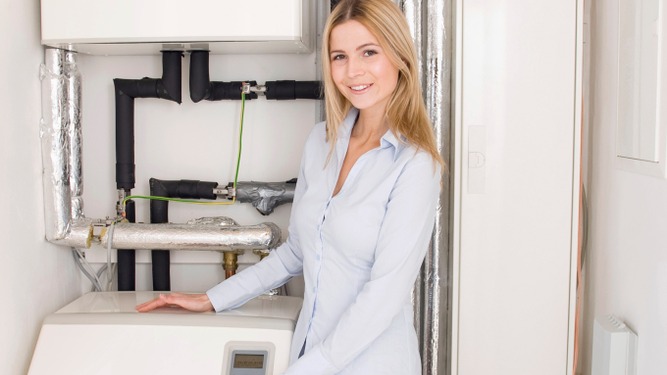
A typical water softener system consists of three main components working in concert to deliver soft water throughout your home. These include the mineral tank, the brine tank, and the control valve. Each component drives the ion exchange process. Key components of a water softener system:
- Mineral Tank: Houses the resin beads where the ion exchange process occurs.
- Brine Tank: Stores the salt solution used to periodically regenerate the resin beads.
- Control Valve: Regulates the flow of water into and out of the mineral tank and automatically initiates regeneration cycles.
Glacier Plumbing and Hydronics specializes in Expert Water Softener Installation in Salt Lake City. We offer $100 off water softener installation to help you protect your home.
Reaping the Rewards: Benefits of a Water Softener
Installing a water softener provides immediate and long-term benefits for your home and finances. Beyond preventing mineral buildup, soft water immediately improves cleaning effectiveness, protects expensive appliances, and enhances personal comfort. You will notice significant improvements across your entire home.
Extending Appliance Lifespan and Efficiency
Soft water eliminates the mineral scale that clogs and damages water-using appliances, significantly extending their operational lives. Washing machines and especially water heaters perform more efficiently and require fewer repairs. This means less energy consumption, lower utility bills, and fewer calls for Expert Water Heater Repair in Utah.
Cleaner Clothes, Brighter Dishes
With soft water, soaps and detergents lather more effectively and rinse away completely, leaving no residue. Your clothes will look brighter, feel softer, and last longer. Dishes will be spot-free and sparkling, eliminating the need for abrasive cleaning products or rewashing.
Healthier Skin and Shinier Hair
Soft water rinses completely, allowing your skin to retain its natural moisture balance and your hair to appear healthier and more vibrant. You’ll use less soap and conditioner, and experience relief from dry, itchy skin and dull, lifeless hair. Many residents in Salt Lake City find this a significant improvement during the drier seasons.
Saving Money in the Long Run
A water softener is an investment that pays for itself through various savings. Lower energy bills from more efficient appliances, extended lifespans for those appliances, and reduced spending on cleaning products and personal care items all contribute to significant long-term financial benefits. We regularly offer $100 off water softener installation, making the initial investment even more affordable.
Common Concerns About Water Softeners (PAA Integration)
Homeowners often have questions about the potential downsides or health impacts of water softeners. Understanding these concerns helps make an informed decision for your household. Most common issues are easily addressed through proper installation and maintenance.
Are There Downsides to Having a Water Softener?
Water softeners do have a few considerations, primarily regarding salt use and perceived water taste. They require periodic refilling of salt in the brine tank, and some individuals find the taste of softened water slightly different due to the added sodium ions. However, overall benefits typically outweigh these minor points for most homes. Downsides to consider:
- Regular salt refills needed for the brine tank.
- Slightly altered taste of drinking water for some people.
- Initial installation cost.
- Potential for increased sodium intake (negligible for most).
Addressing Health-Related Questions (e.g., Folliculitis, Hypertension)
Concerns about water softeners affecting skin conditions such as folliculitis or health issues such as hypertension are understandable but often overstated. Softened water improves skin and hair health by preventing mineral buildup that can irritate. The minuscule increase in sodium from softened water is generally not a concern for healthy individuals.
* Will a water softener help with hard water? Yes, a water softener is the most effective solution for combating hard water by removing the minerals that cause hardness. It directly targets and eliminates calcium and magnesium, leading to noticeable improvements throughout your home’s water system.
* Can hard water cause folliculitis? Hard water primarily contributes to dry skin and soap scum buildup, which can indirectly exacerbate skin conditions like folliculitis by clogging pores or preventing thorough rinsing of soaps. Softened water helps alleviate these issues, promoting healthier skin.
* Are water softeners bad for hypertension? For most people, the amount of sodium added to water during the softening process is negligible and poses no health risk. Individuals with severe hypertension or on strict sodium-restricted diets should consult their doctor. Consider potassium chloride as a salt alternative for softeners.
“Glacier showed up within hours the day after Black Friday, identified the problem causing a mini flood in our kitchen, and fixed it within an hour of arriving. They offered multiple options to fix it.” Nevrra
This testimonial highlights our swift service and problem-solving, even for urgent issues like a “mini flood,” ensuring customer satisfaction and minimal disruption. It underscores our commitment to providing effective solutions with fast, licensed, local experts.
Is a Water Softener Right For Your Home?
Determining if a water softener is a necessary investment involves evaluating the signs of hard water in your home and your long-term goals for appliance protection and comfort. Most homes in Utah benefit significantly from soft water.
Signs You Might Need a Water Softener
Several clear indicators suggest that your home is suffering from hard water. Recognizing these signs early can prevent more significant, costly damage down the line. If you notice any of these issues, a water softener is likely a beneficial addition. Signs you need a water softener:
- Visible mineral buildup (scale) on faucets, showerheads, and fixtures.
- Spotty dishes and glassware after washing.
- Dull, rough-feeling laundry even after using extra detergent.
- Dry, itchy skin, or dull, lifeless hair after showering.
- Reduced water pressure due to constricted pipes.
- Appliances like water heaters, dishwashers, and washing machines failing prematurely.
- Higher than expected energy bills for water heating.
Next Steps for Addressing Hard Water
If you’ve identified hard water issues, the next step is to get expert advice and consider professional installation. Glacier Plumbing and Hydronics provides full solutions, from assessing your water hardness to installing the right system for your home. We ensure your system is built to last. Contact us for a water hardness test or to discuss water softener installation. Our team of local experts can help you determine the best solution, often with current promotions that make it more affordable. You can also explore our range of Water Heater Services, as hard water significantly impacts these units.
Frequently Asked Questions
The Bottom Line
Hard water is a persistent, expensive problem for many Utah homeowners, silently damaging plumbing and appliances. Investing in a quality water softener protects your home, lengthens appliance lifespans, reduces utility bills, and improves daily comfort. The initial investment quickly pays dividends through efficiency and fewer repairs.
Protect Your Home from Hard Water
Don’t let hard water continue to undermine your home’s plumbing and appliances. With Glacier Plumbing and Hydronics, you gain a partner dedicated to providing comprehensive solutions delivered by fast, licensed, local experts. We offer transparent pricing, and our commitment to leaving no mess behind ensures a clean, hassle-free installation. Take advantage of our current offer: $100 off water softener installation. We’re available 24/7 for emergency plumbing needs throughout Salt Lake City and surrounding Utah counties. Our customer satisfaction is our priority, and we fix it right the first time. Contact Glacier Plumbing and Hydronics today for a consultation or to schedule your water softener installation.
We are a locally owned and operated plumbing and boiler service company, dedicated to providing honest service at a fair price. We are licensed, insured, and always maintain current training and expertise in plumbing and radiant heating. To insure all of your homes needs are met. Servicing residential and commercial properties.
Latest posts by Glacier Plumbing & Hydronics (see all)
- Best Tankless Water Heater Repair Options: Reviews & Recommendations - September 1, 2026
- Water Heater Repair FAQ: Common Questions Answered - September 1, 2026
- The Ultimate Guide to Water Heater Installation: What You Need to Know - June 23, 2026