🔥 $199 Boiler Tune-Up • ⚡️ $89 Water Heater Flush

Why Your Water Heater Stops Working And Who To Call When It Happens
When the hot water disappears, frustration hits fast. Showers shut off halfway. Dishes get pushed aside. Laundry stops mid-cycle. It’s one of those home problems that instantly demands attention. And if you’re in Salt Lake, Davis, Weber, Summit, or Utah County, you’re far from alone. Water heater failures are one of the most common issues we see in Utah homes.
This guide walks you through who to call, how to determine what’s happening, what to expect, and how to prevent the problem from getting worse. By the end, you’ll know exactly what steps to take and why.
What We’ll Cover:
- Who you should call when your water heater stops working
- Common reasons it fails
- Troubleshooting steps you can safely try
- When the situation becomes an emergency
- Repair or replace guidance
- What to expect during a service visit
- FAQs with detailed answers
Who You Should Call First When Your Water Heater Stops Working
Here’s the reality. No matter what type of water heater you own, a licensed plumber is the right person to call when it stops working. Plumbers are trained to handle heating elements, gas ignition, pressure issues, leaks, thermostats, sediment buildup, tank failures, and anything related to water heating systems.
Electricians only step in when the problem is strictly inside your home’s wiring panel. Appliance repair companies avoid water heaters. HVAC companies focus on furnaces and AC units.
Water heaters belong in a plumber’s hands.

What makes a plumber the right professional
A qualified plumber:
- Repairs electric, gas, and tankless systems
- Understands local plumbing and mechanical codes
- Handles leaks, pressure valve issues, and failed parts
- Works safely with combustion and high heat
- Performs emergency shutdowns and replacements
At Glacier Plumbing and Hydronics, we handle every type of water heater used along the Wasatch Front, and most issues can be fixed the same day.
Common Reasons Your Water Heater Stops Working
Water heaters fail for predictable reasons, and most are repairable when caught early.
No hot water at all
This usually means:
- Tripped breaker
- Failed heating element
- Faulty thermostat
- Gas supply interruption
- Ignition failure
A plumber quickly and safely checks each of these points.
Hot water runs out too fast
This is common in older systems and hard water areas.
Typical causes:
- Sediment buildup
- Partially failed elements
- Aging tank
- Incorrect thermostat setting
Sediment is a major issue in Utah and reduces efficiency each time you skip a flush.


Water heater leaking
A leak should never be ignored.
Possible sources:
- Loose connections
- Failed T and P valve
- Corroded fittings
- Cracked tank
If the tank itself is cracked, replacement is the only option. Everything else can usually be repaired.
Pilot light issues
For gas heaters, the pilot light is a frequent trouble spot.
Caused by:
- Dirty burner assembly
- Failing thermocouple
- Blocked venting
- Gas pressure problems
A plumber isolates the exact cause and restores proper ignition.
Rotten egg smell or brown water
This points to a failing anode rod or internal corrosion. Replacing the rod early can double the tank’s lifespan.
How To Troubleshoot Safely Before Calling For Help
These simple checks can help narrow down the problem.
Step 1: Check the breaker
For electric water heaters, a tripped breaker is one of the most common reasons for no hot water.
Step 2: Inspect around the tank
Look for puddles, moisture rings, or rust marks on the ground.
Step 3: Look at the pilot light window
If you see no flame on a gas unit, note that detail for the plumber.
Step 4: Listen for unusual sounds
Popping and rumbling often mean heavy sediment buildup.
Step 5: Pay attention to recovery time
If hot water comes back slowly, something inside the heater is wearing out.
If you smell gas, see scorch marks, or notice hot steam escaping, do not troubleshoot. Shut it off and call for emergency support.
When A Broken Water Heater Becomes An Emergency
Some water heater failures can cause serious damage quickly. If that happens, you may need emergency plumbing support immediately.
Call for emergency service if you notice:
- Water pouring from the tank
- Strong gas odor
- Hissing sounds
- Steam escaping from the top or side
- Rusty water suddenly floods out
- Electrical burning smell
Glacier Plumbing and Hydronics offers 24-hour emergency support throughout the Wasatch Front.
When You Should Repair Versus Replace Your Water Heater
Knowing when to repair or replace protects your budget and your home.
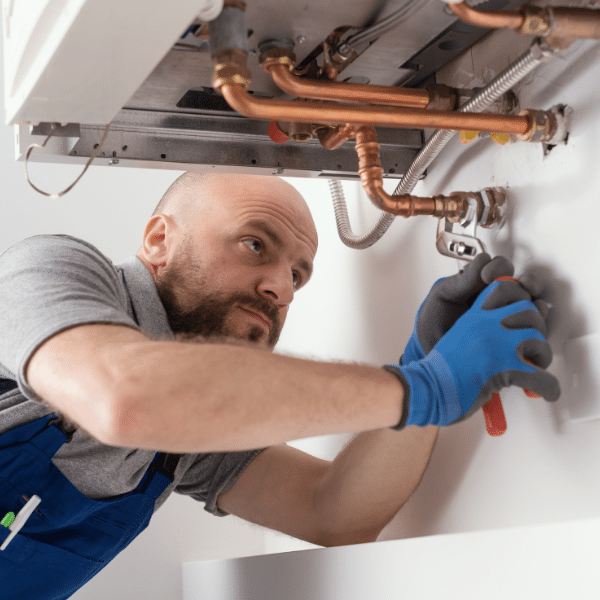
It makes sense to repair when:
- The unit is less than 10 years old
- The tank is not cracked
- The failure involves a part, not the entire system
- Heating is inconsistent, but not gone
- Sediment buildup is manageable
Replacement is better when:
- The tank is leaking
- The heater is more than 12 years old
- Hot water runs out constantly
- Multiple components have failed
- Rust or corrosion is present in the water
Many Utah homeowners choose tankless water heaters at this point because they last longer and provide endless hot water.
What To Expect When A Plumber Comes Out
A good plumber makes the process transparent and straightforward.
Step 1: Full inspection
They’ll examine the tank, elements, burner assembly, venting, thermostat, gas supply, and safety systems.
Step 2: Clear explanation
You should know what failed, why it happened, and the recommended fix.
Step 3: Upfront pricing
You approve the work before anything begins.
Step 4: Same-day repair
Most repairs are completed on the first visit. For water heater-specific issues, many homeowners visit our Water Heater Repair page before calling.
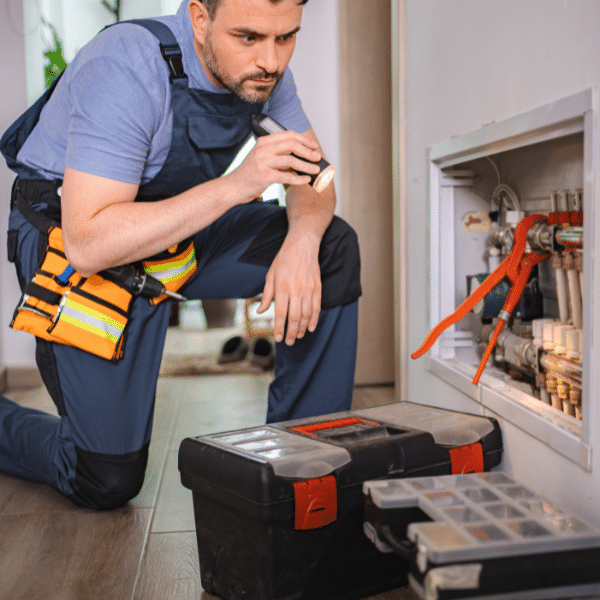
Step 5: Final safety test
This confirms proper function and verifies safe operation.
Glacier Plumbing and Hydronics walks every homeowner through this process so you always know where things stand.
Why Experience Matters With Water Heater Problems
Water heaters involve high heat, pressure, gas combustion, and electrical components. This is not the place for guesswork. A slight mistake can create a serious safety risk.
At Glacier Plumbing and Hydronics, we’ve repaired and installed hundreds of water heaters throughout Salt Lake County, Park City, Davis County, and nearby areas. We know how local water quality affects tanks, which brands fail faster, and the most innovative ways to extend your system’s life. Our recommendations come from hands-on experience, not theory.
The Department of Energy reports that water heating accounts for nearly 20% of home energy use. A failing heater burns through more energy without giving you more hot water. Getting issues fixed early saves real money.
Helpful Next Step If You Need Support
If your water heater is acting up and you want a professional to take a look, you can explore our Services page or request a free estimate. We’ll diagnose the issue, explain the options, and get things running again without stress.
Frequently Asked Questions
Ready To Get Your Hot Water Back?
A broken water heater doesn’t fix itself, and guessing your way through the problem can make things worse. The safest approach is to bring in a licensed plumber who understands these systems and can quickly get your home back on track.
If you’re in Salt Lake County, Davis County, Weber County, Summit County, or Utah County, our team at Glacier Plumbing and Hydronics is here to help. You can explore more of our resources in the blog or request a free estimate whenever you’re ready.
"We are a locally owned and operated plumbing and boiler service company, dedicated to providing honest service at a fair price. We are licensed, insured, and always maintain current training and expertise in plumbing and radiant heating. To insure all of your homes needs are met. Servicing residential and commercial properties."
Latest posts by Glacier Plumbing & Hydronics (see all)
- Choosing the Right Water Heater for Your Utah Home: Tank vs. Tankless - February 6, 2026
- Who Do I Call When My Water Heater Is Not Working? - December 8, 2025
- Are Heated Driveways Worth the Money? - October 31, 2025