🔥 $199 Boiler Tune-Up ⚡️ $89 Water Heater Flush Promotion
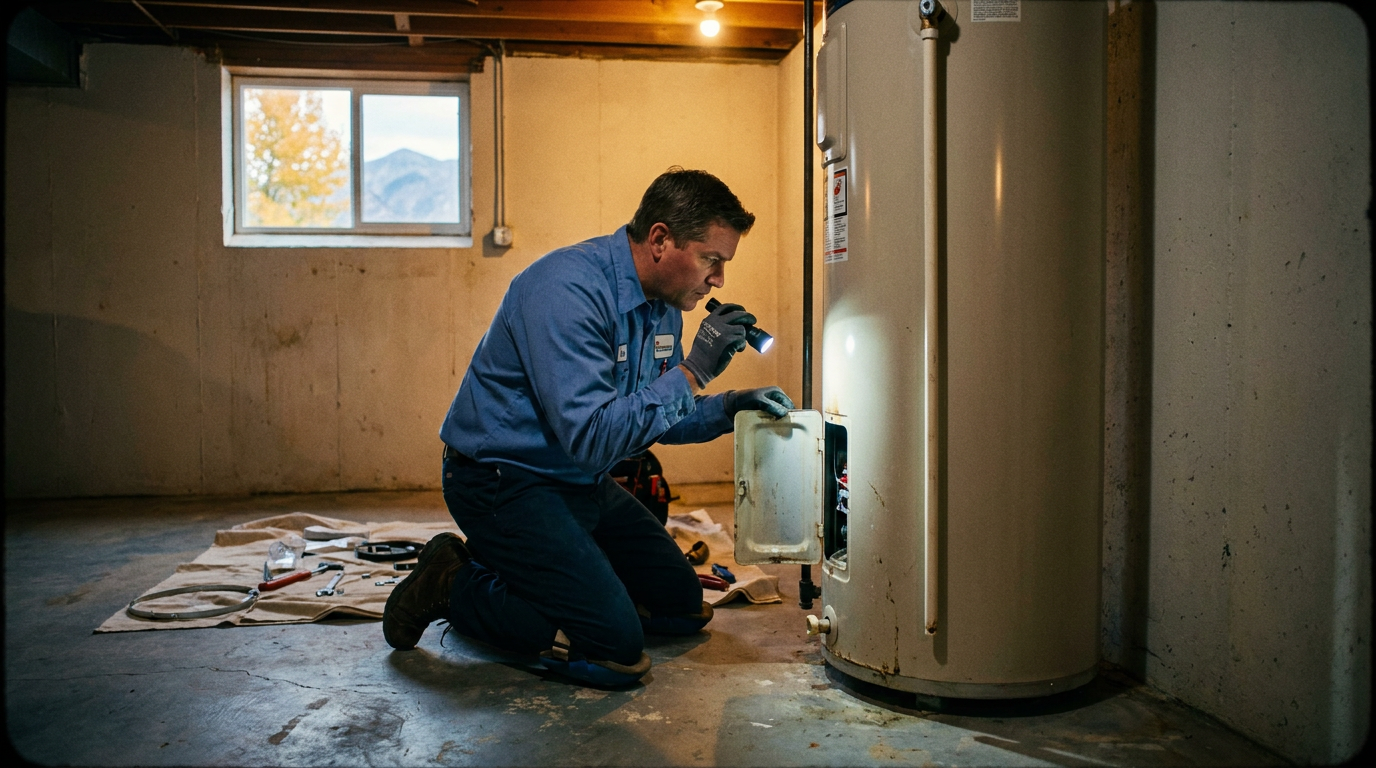
A dependable water heater makes everyday tasks such as showering, washing dishes, and doing laundry more comfortable. When the system stops producing enough hot water, begins leaking, or makes unfamiliar noises, it can quickly disrupt your household.
Some water heater problems require a simple repair. Others may signal that the equipment is nearing the end of its service life. The answers below explain common water heater issues, when professional service may be needed, and how to decide between repair and replacement.
What Are the Most Common Water Heater Problems?
Water heaters can develop several problems as they age. Some of the most common include:
- No hot water
- Hot water that runs out too quickly
- Water that is too hot or not hot enough
- Fluctuating water temperatures
- Discolored or rusty-looking hot water
- Unusual popping, rumbling, or banging noises
- Water leaking around the tank
- Low hot-water pressure
- A pilot light that repeatedly goes out
- An electric unit that frequently trips its breaker
- Error codes on a tankless water heater
These symptoms can have different causes depending on whether you have a gas, electric, or tankless system. A professional inspection can identify the source of the problem and determine whether repairing the unit is practical.
Why Is My Water Heater Not Producing Hot Water?
A lack of hot water does not always mean the entire water heater has failed.
In an electric water heater, the issue may involve a tripped breaker, a faulty thermostat, a failed heating element, or a loose electrical connection. A gas water heater may have a problem with its pilot light, ignition system, gas control valve, burner, or fuel supply.
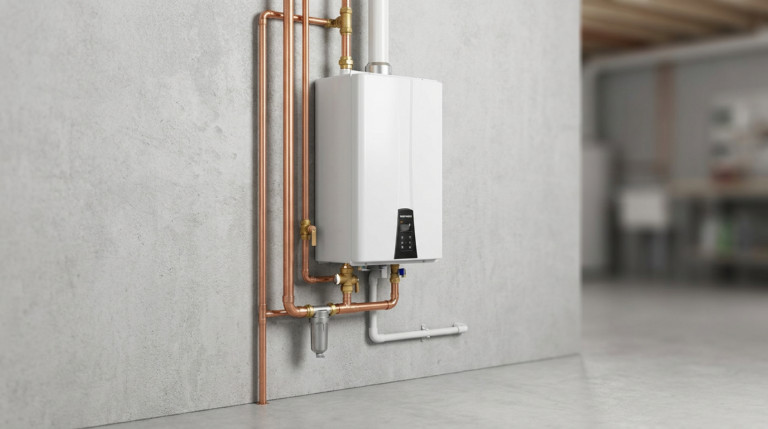
Tankless water heaters may stop heating because of restricted water flow, mineral buildup, ignition failure, venting trouble, or an internal error.
Because these systems involve electricity, gas, hot water, and pressure, a qualified plumbing professional should handle diagnosis and repair.
Why Does My Hot Water Run Out So Quickly?
Running out of hot water faster than usual may indicate that the water heater cannot keep up with household demand. Common causes include:
- A damaged heating element
- A thermostat problem
- Sediment buildup inside the tank
- A broken dip tube
- An undersized water heater
- Increased household hot-water use
- An aging system that has lost efficiency
If the problem has developed gradually, sediment accumulation or normal equipment wear may be involved. If it began suddenly, a failed component is more likely. A technician can test the system and recommend the appropriate repair or replacement.
Why Is the Water Temperature Inconsistent?
Hot water that alternates between warm, cold, and overly hot can point to a thermostat, heating element, burner, mixing valve, or flow-related problem.
In tankless systems, temperature changes may occur when the unit does not receive enough flow to activate consistently. Simultaneous use of several fixtures or appliances can also place more demand on the system than it was designed to handle.
Professional diagnosis is important because adjusting one component without identifying the underlying cause may not solve the problem.
Why Is My Water Heater Making Noise?
Some operational sound is normal, but loud popping, rumbling, banging, sizzling, or screeching should not be ignored.
Popping and rumbling noises often develop when sediment collects at the bottom of a tank-style water heater. Water trapped beneath the sediment can create noise as it heats. This buildup can make the system work harder and may contribute to premature wear.
Other sounds may be connected to changes in water pressure, restricted water flow, loose components, or a malfunctioning valve. An inspection can determine whether maintenance or repair is needed.
Is a Leaking Water Heater an Emergency?
Address a leaking water heater promptly. Even a small amount of water can damage flooring, walls, cabinets, and nearby belongings.
The seriousness of the problem depends on where the leak is coming from. Water may be escaping from:
- A loose plumbing connection
- The temperature and pressure relief valve
- The drain valve
- The hot- or cold-water connection
- An internal tank that has corroded
A leaking fitting or valve may be repairable. If the tank itself has failed, you’ll generally need to replace the water heater. Contact a plumber as soon as possible if water is pooling around the unit or the leak is spreading.
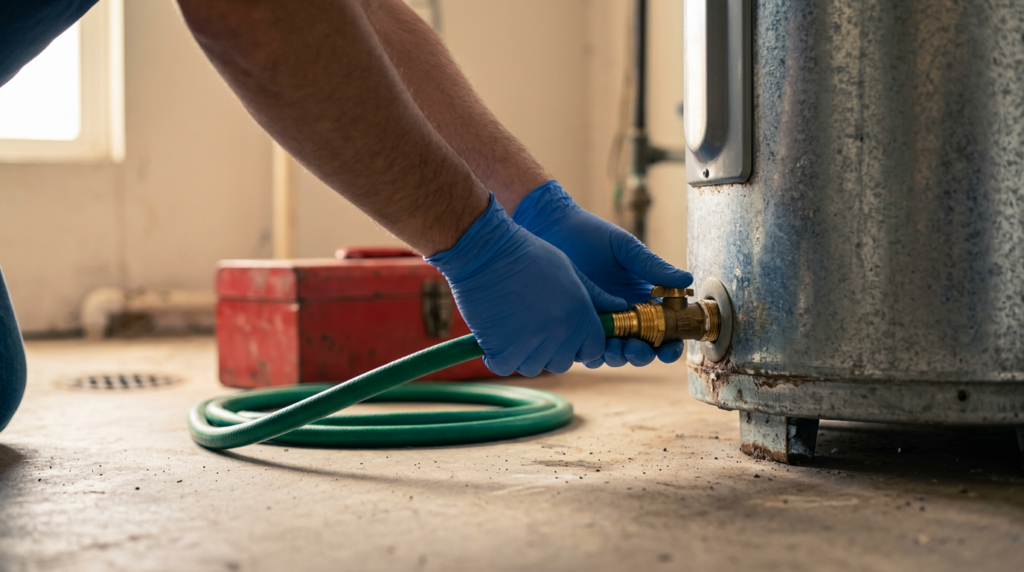
What Should I Do If My Water Heater Is Leaking?
Keep people away from standing water near electrical equipment and contact a professional plumber. If it can be done safely, locate the water heater’s shutoff valve and stop the incoming water supply.
Do not attempt to take apart the system or repair a pressurized component yourself. Gas connections, electrical wiring, high temperatures, and stored pressure can make working on a water heater dangerous without the proper training and equipment.
If you smell gas, leave the property and contact the appropriate emergency authority or gas provider from a safe location.
Why Is My Hot Water Rusty or Discolored?
Discolored hot water may come from corrosion, sediment, aging pipes, or deterioration inside the water heater.
If both hot and cold water are discolored, the cause may be somewhere in the plumbing system or water supply. If only the hot water is affected, the water heater is a more likely source.
A deteriorating anode rod can sometimes contribute to water-quality issues. In other cases, the tank itself may be corroding. A plumber can inspect the unit and determine whether maintenance, repair, or replacement is appropriate.
Why Does My Hot Water Smell Unpleasant?
Hot water with a sulfur-like or rotten-egg odor may be related to bacteria in the tank, the water supply, or a reaction involving the anode rod.
The correct solution depends on the source of the odor. Simply masking it will not correct the underlying condition. A plumber can inspect the water heater and recommend an appropriate treatment or component replacement.
If the odor resembles natural gas rather than sulfur in the water, leave the area and report the possible gas leak immediately.
Can a Water Heater Be Repaired, or Does It Need Replacement?
Many water heater problems can be repaired, especially when the equipment is in otherwise good condition. You can replace thermostats, heating elements, valves, ignition components, and some plumbing connections.
Replacement may be the better choice when:
- The tank is leaking
- Corrosion is extensive
- The unit needs frequent repairs
- Replacement parts are difficult to obtain
- The water heater no longer meets household demand
- Energy use has increased significantly
- The system is approaching or has exceeded its expected service life
- The cost of repair is too high compared with replacement
A professional should explain both options so you can compare the immediate cost, expected equipment life, reliability, and potential efficiency improvements.
How Long Does a Water Heater Usually Last?
A water heater’s service life depends on its type, installation quality, water conditions, maintenance history, and daily use.
Many conventional tank water heaters last approximately 8 to 12 years. Some continue operating longer, while others fail sooner because of corrosion, mineral buildup, or neglected maintenance. Tankless systems may last longer when they are correctly installed and maintained.
Age alone does not determine whether a water heater must be replaced. Its condition, repair history, and performance matter just as much.
Is It Worth Repairing an Older Water Heater?
Repairing an older system may make sense when the problem is minor, the tank is in good condition, and the unit has otherwise performed reliably.
However, repeated failures can make continuing repairs costly. A major repair may provide limited value when the equipment is already near the end of its expected lifespan.
Before making a decision, consider:
- The water heater’s age
- The cause of the current problem
- Its repair history
- The cost of the proposed repair
- The condition of the tank
- Current hot-water demand
- Potential efficiency improvements from a new system
A trustworthy plumber should help you weigh these factors without pressuring you into an unnecessary replacement.
How Long Does Water Heater Repair Take?
Repair time depends on the system type, the cause of the failure, and whether replacement parts are readily available.
Straightforward repairs may be completed during one appointment. More complex problems involving tankless controls, gas components, electrical systems, venting, or hard-to-source parts may take longer.
An inspection is usually required before an accurate repair timeline can be provided.
Can I Repair My Water Heater Myself?
Basic observations, such as checking whether the entire home has lost power or whether the problem affects only hot water, can help you describe the issue. However, you should generally leave internal water heater repairs to a qualified professional.
Water heaters combine several potential hazards:
- High-temperature water
- Electrical current
- Natural gas or propane
- Combustion gases
- Pressurized tanks and valves
- Carbon monoxide risks
- Water damage
Incorrect repairs can damage the equipment, create a safety hazard, or void a manufacturer’s warranty.
How Often Should a Water Heater Be Maintained?
Most water heaters benefit from regular professional maintenance, often once a year. However, the right schedule depends on the system, manufacturer recommendations, local water conditions, and usage.
Maintenance may include checking:
- The condition of the tank and connections
- Heating or ignition components
- The temperature setting
- The pressure relief system
- Signs of corrosion or leakage
- Venting and combustion on applicable systems
- Mineral or sediment accumulation
- Tankless filters and internal components
Routine service cannot prevent every breakdown, but it can help identify developing problems before they become larger and more expensive.
Does Hard Water Affect a Water Heater?
Yes. Hard water contains minerals that can accumulate inside tank-style and tankless water heaters.
In a traditional tank, sediment can settle at the bottom and reduce heat transfer. This may create noise, increase energy use, and contribute to equipment wear. In a tankless unit, mineral scale can restrict internal passages and interfere with performance.
Homes with significant mineral buildup may benefit from more frequent water heater maintenance. A water softener may also be worth considering when hard water affects plumbing fixtures and appliances throughout the property.
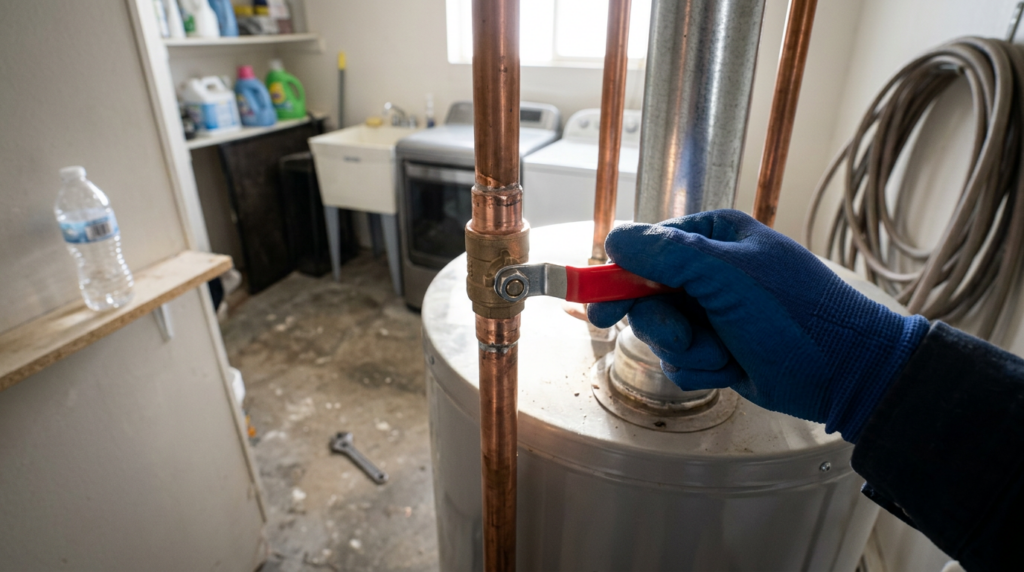
What Are the Signs of a Failing Water Heater?
Common warning signs include:
- Repeated loss of hot water
- Inconsistent temperatures
- Visible rust or corrosion
- Water collecting around the tank
- Loud or worsening noises
- Increasing energy use
- Frequent repairs
- Rust-colored hot water
- A system that struggles to meet normal demand
- Error codes that repeatedly return
These symptoms do not always mean immediate replacement is necessary. They do mean you should inspect the system before the problem worsens.
Should I Choose a Tank or Tankless Water Heater?
The right choice depends on the property, hot-water demand, available utilities, installation requirements, budget, and long-term goals.
A conventional tank water heater stores a ready supply of heated water. It is familiar, widely available, and often less complex to install. A tankless water heater heats water as it is needed and can reduce standby heat loss, but proper sizing and installation are essential.
Tankless conversion may require changes to gas lines, electrical service, venting, or plumbing. A professional evaluation can determine which options are compatible with your home.
Can a Plumber Repair Gas, Electric, and Tankless Water Heaters?
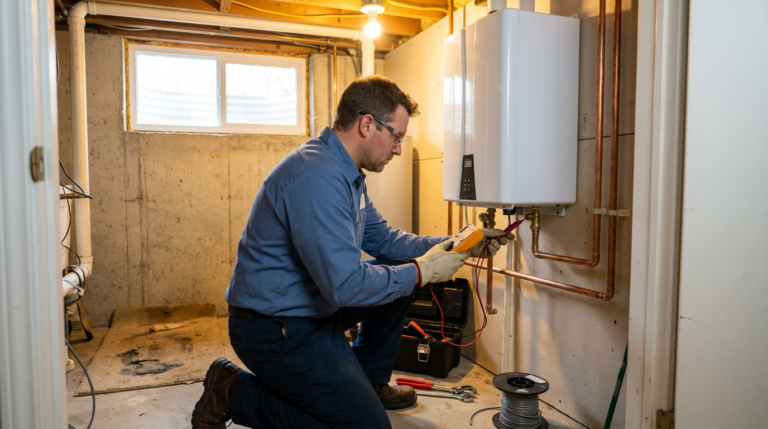
Glacier Plumbing and Hydronics provides repair and installation services for gas, electric, and tankless water-heating systems. Because each system operates differently, technicians must evaluate the equipment type, symptoms, age, and installation before recommending a solution.
When scheduling service, provide the brand and model if available, describe the problem, and mention any visible leaks, unusual sounds, odors, or error codes.
When Should I Call for Water Heater Repair?
Schedule professional service when you notice any clear change in the way the water heater operates. Waiting may result in additional damage, higher utility costs, or a complete loss of hot water.
Call promptly if:
- There is water around the unit
- You have no hot water
- The temperature is unpredictable
- The water heater makes loud noises
- The breaker repeatedly trips
- The pilot light will not stay lit
- The hot water is rusty or smells unusual
- A tankless system displays recurring error codes
If you suspect a gas leak or another immediate safety hazard, leave the property and contact the appropriate emergency service or utility provider.
Get Professional Water Heater Repair in Northern Utah
Water heater problems are easier to manage when you diagnose them early. Glacier Plumbing and Hydronics repairs gas, electric, tankless, residential, and commercial water-heating systems throughout Salt Lake, Davis, Weber, Summit, and Utah counties.
Whether your system has stopped producing hot water, developed a leak, or can no longer keep up with demand, the team can inspect the equipment and clearly explain your repair or replacement options.
Contact Glacier Plumbing and Hydronics to schedule water heater service and restore reliable hot water to your home or business.